featured
UKspace Startup working group
Volunteer contribution to the UKspace Startup working group, supporting early-stage UK space companies and entrepreneurship.
Projects
Work across space communications, Earth observation, public engagement and research. Entries are being rewritten one at a time as full case studies; short pages are marked and kept out of search results until complete.
Nothing matches those filters.
Volunteer contribution to the UKspace Startup working group, supporting early-stage UK space companies and entrepreneurship.
A marketing and communications audit for Climate Action Leicester and Leicestershire, reviewing how its climate, energy and built-environment work is presented and where communications can be strengthened.
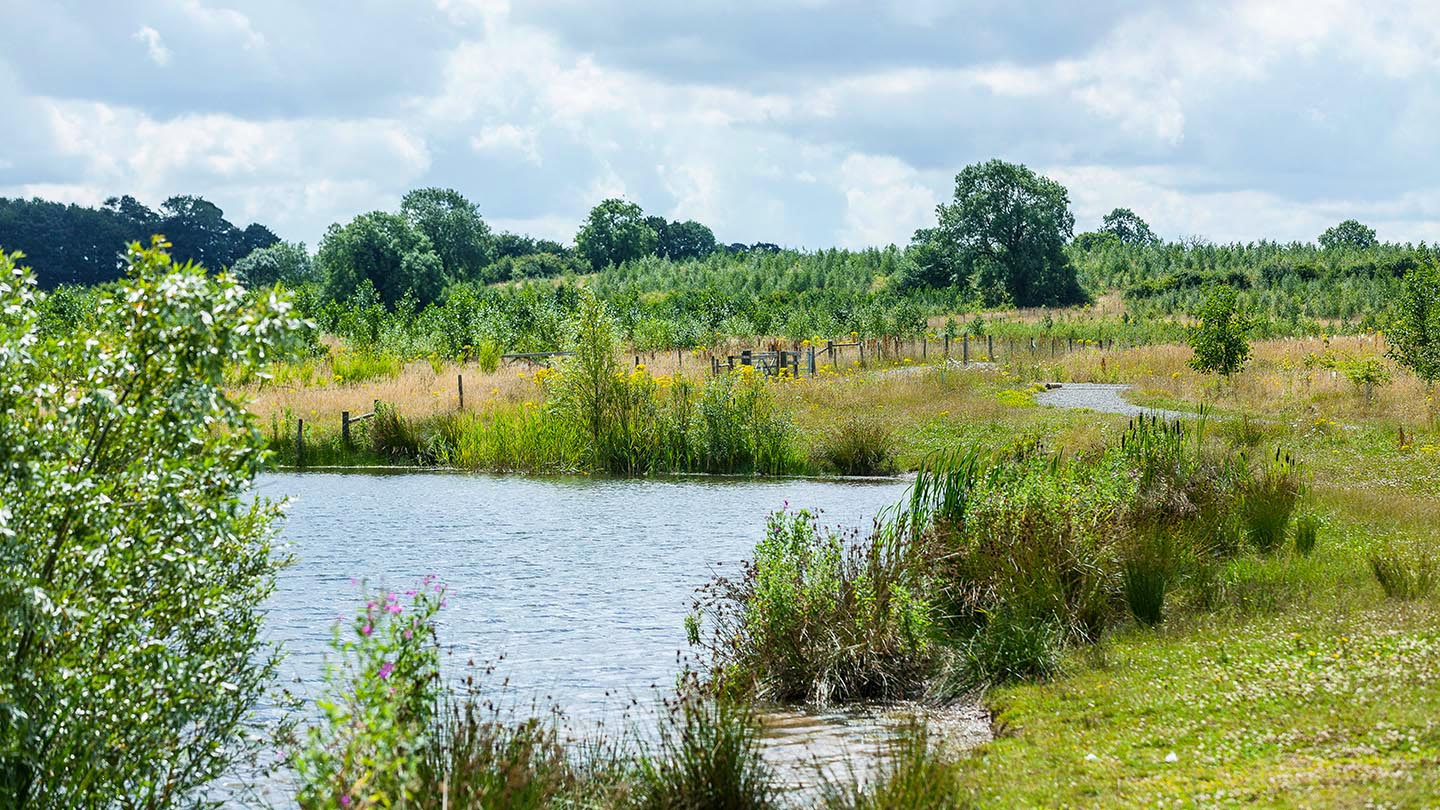
The Queen Elizabeth Diamond Jubilee Wood (QEDJW) lies in the National Forest in north-west Leicestershire, 24.1km (15 miles) from Leicester, 6.4km (4 miles) from Ashby-de-la-Zouch, 11.2km (7 miles) from Coalville, and close to the village of Normanton le Heath.

A digital dossier from the European Space Agency's Business Applications programme showing how space-enabled services can support sustainability and climate action.
A regular email newsletter for the ESA Business Applications programme, built and sent with Mailchimp and supported by subscriber data in Microsoft Dynamics.
Online webinars for the ESA Business Applications programme, helping entrepreneurs and companies learn how to use space in commercial products and services.
Design and data visualisation work supporting the communication of the fourth Copernicus Marine Service Ocean State Report, translating complex ocean science, climate indicators and policy-relevant findings into accessible visual communication.

Point.MOOC is a free, self-directed online course that guides entrepreneurs and developers through the business and technical development of IoT products that use Galileo and other satellite positioning technologies. It forms part of the EU-funded POINT.IoT programme.
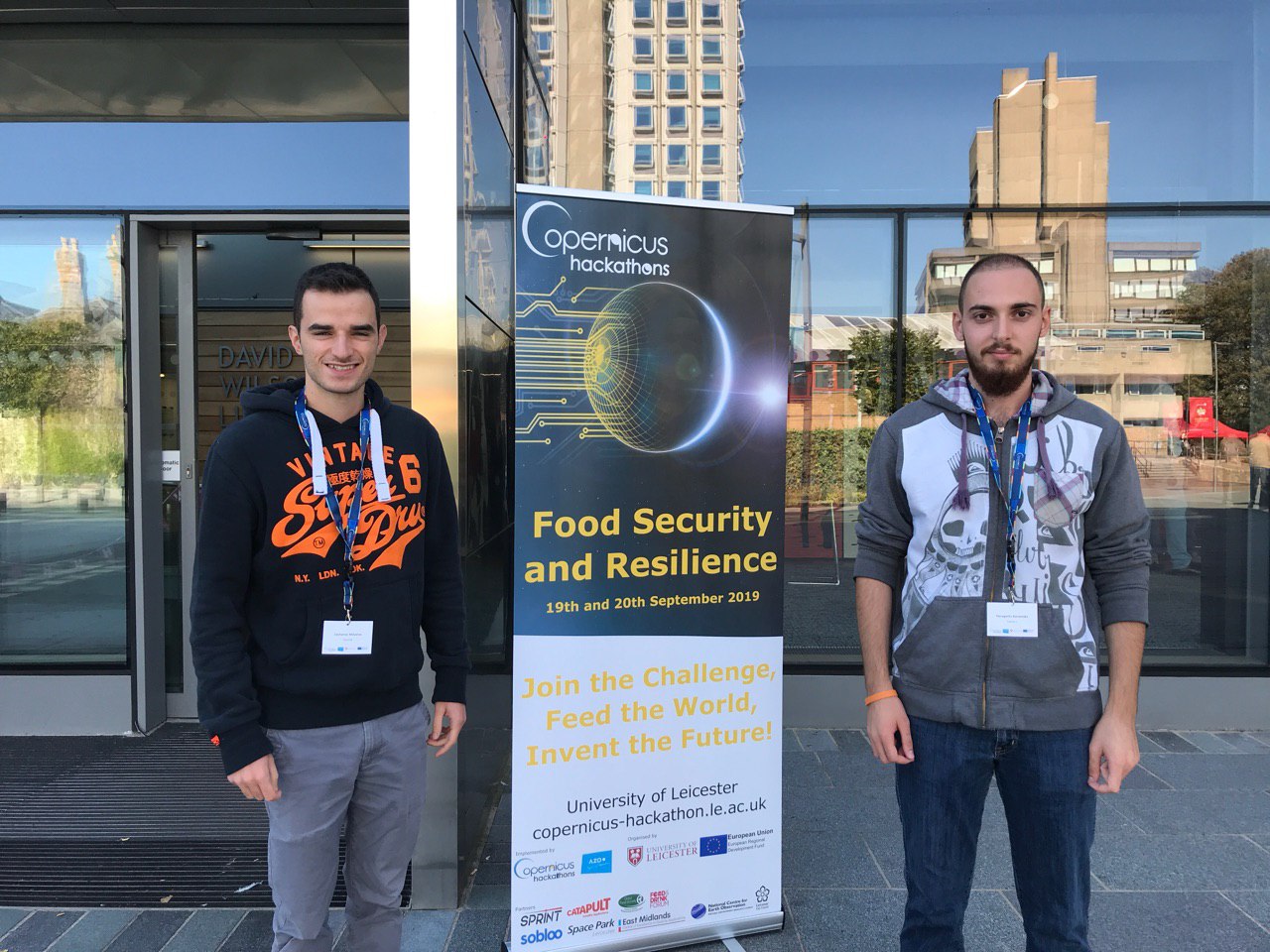
A 48-hour collaborative hackathon at the University of Leicester bringing together coders, researchers, scientists, designers and problem-solvers to develop solutions for food security and resilience using Copernicus Earth observation data.
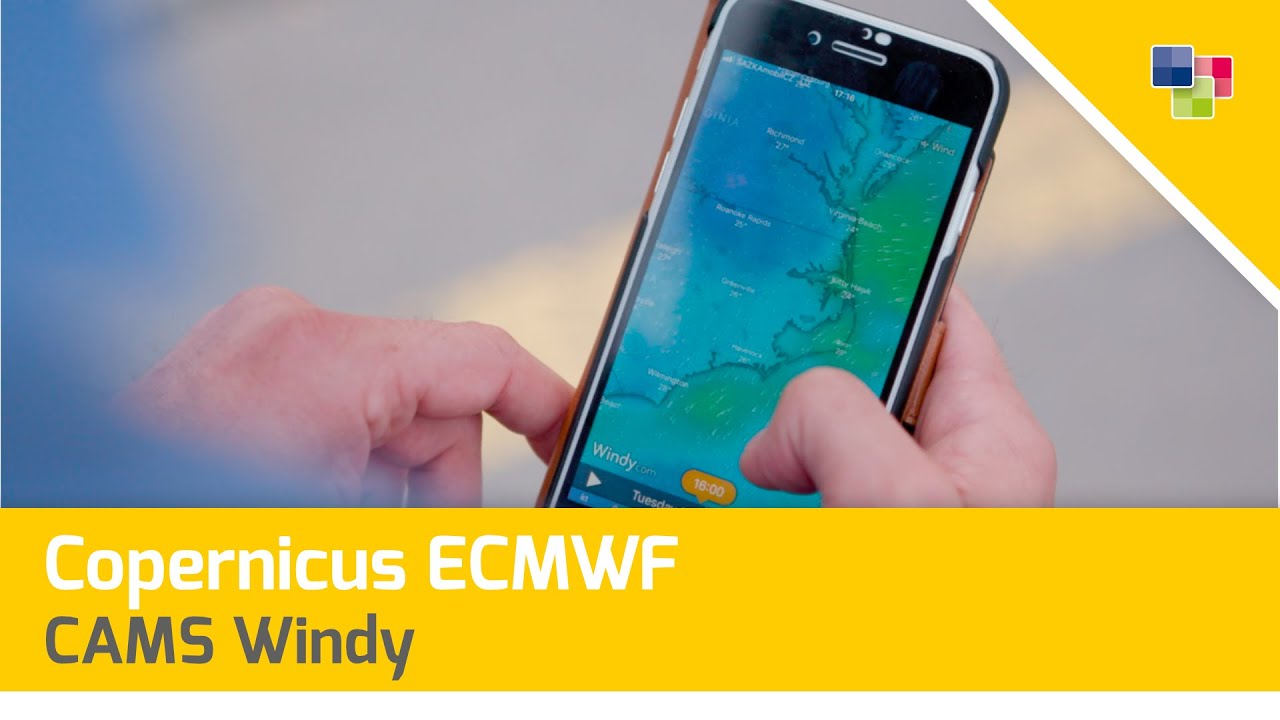
Editorial and science-communication work supporting ECMWF and the Copernicus Atmosphere Monitoring Service in explaining how weather and atmospheric data can be made accessible through Windy, a widely used visual weather platform.
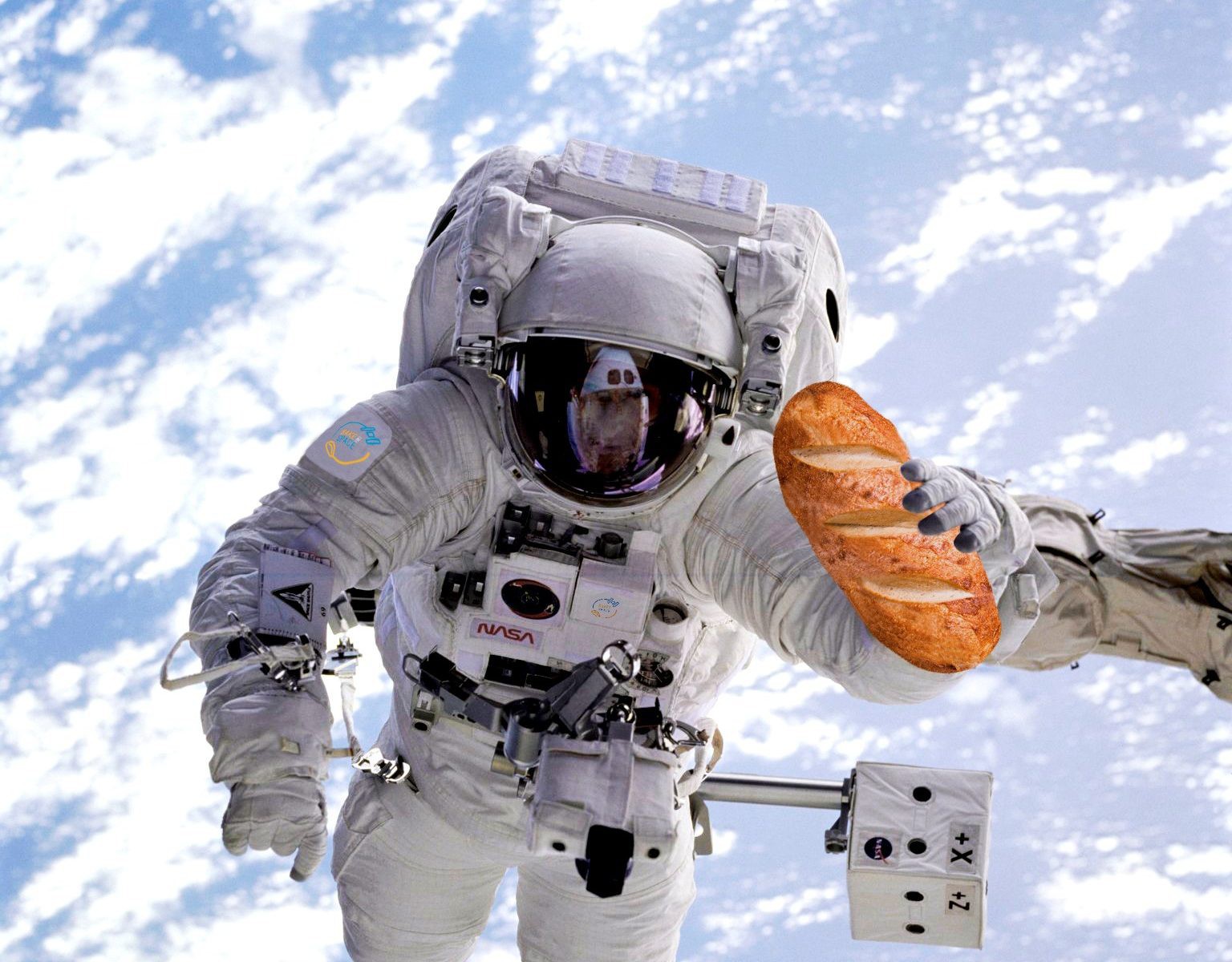
Bake In Space was a space-food innovation project developing a safe, low-power system for baking fresh, crumb-free bread aboard the International Space Station. The project used bread as a practical technology demonstration for improving food quality, wellbeing and long-term self-sufficiency in human spaceflight.
Web copy for the ESA Industry Space Days event website, helping European space-industry audiences understand and take part in the event.
A short ESA film showing how satellites and space applications support everyday life, produced as part of ESA's Space 4.0 communications.
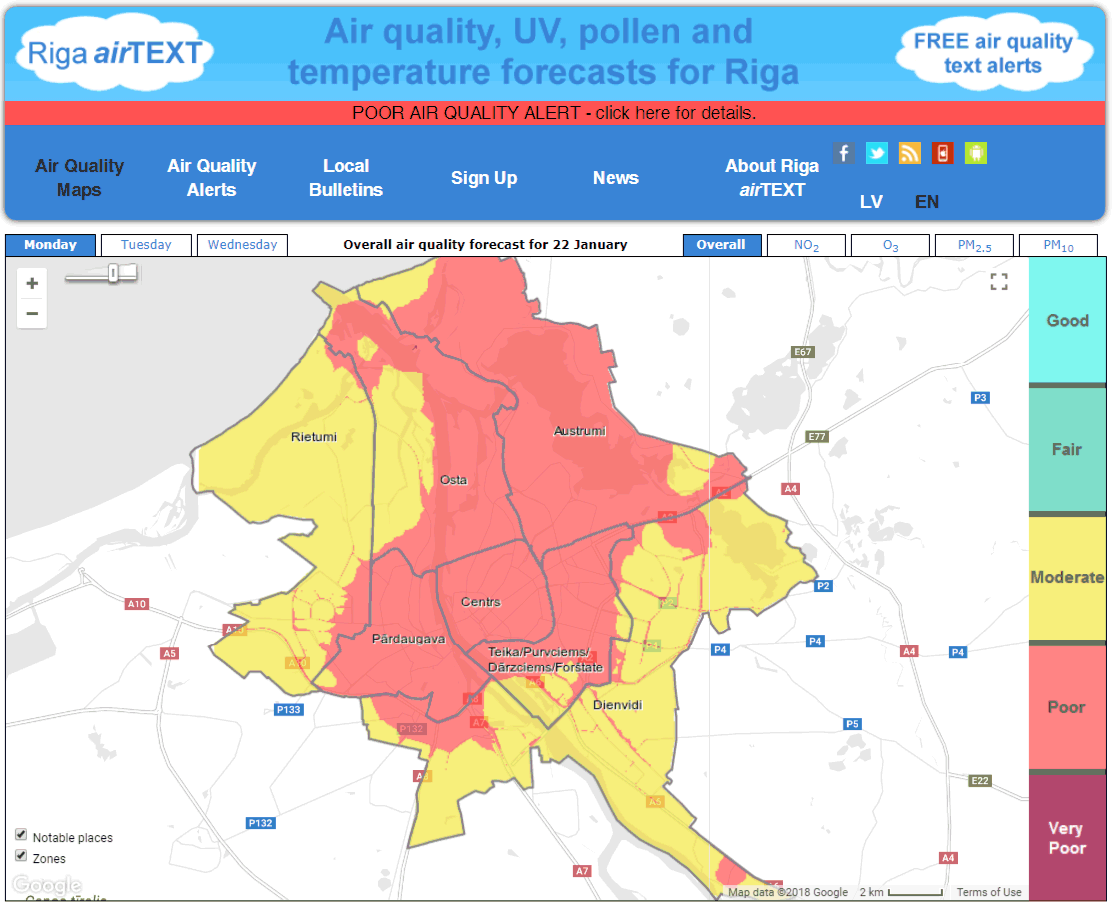
Editorial and science-communication work for Riga airTEXT, a public air-quality forecasting service that combined Copernicus Atmosphere Monitoring Service data with local high-resolution modelling to help Riga residents understand and prepare for changing air quality.
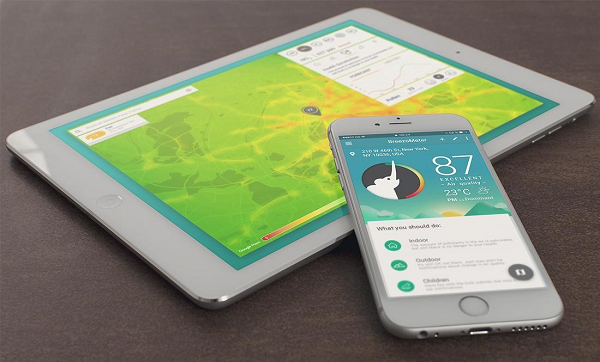
Editorial and science-communication work for BreezoMeter, a personalised environmental-information service that combines big data, machine learning, monitoring observations and Copernicus Atmosphere Monitoring Service data to provide local air-quality and pollen information worldwide.
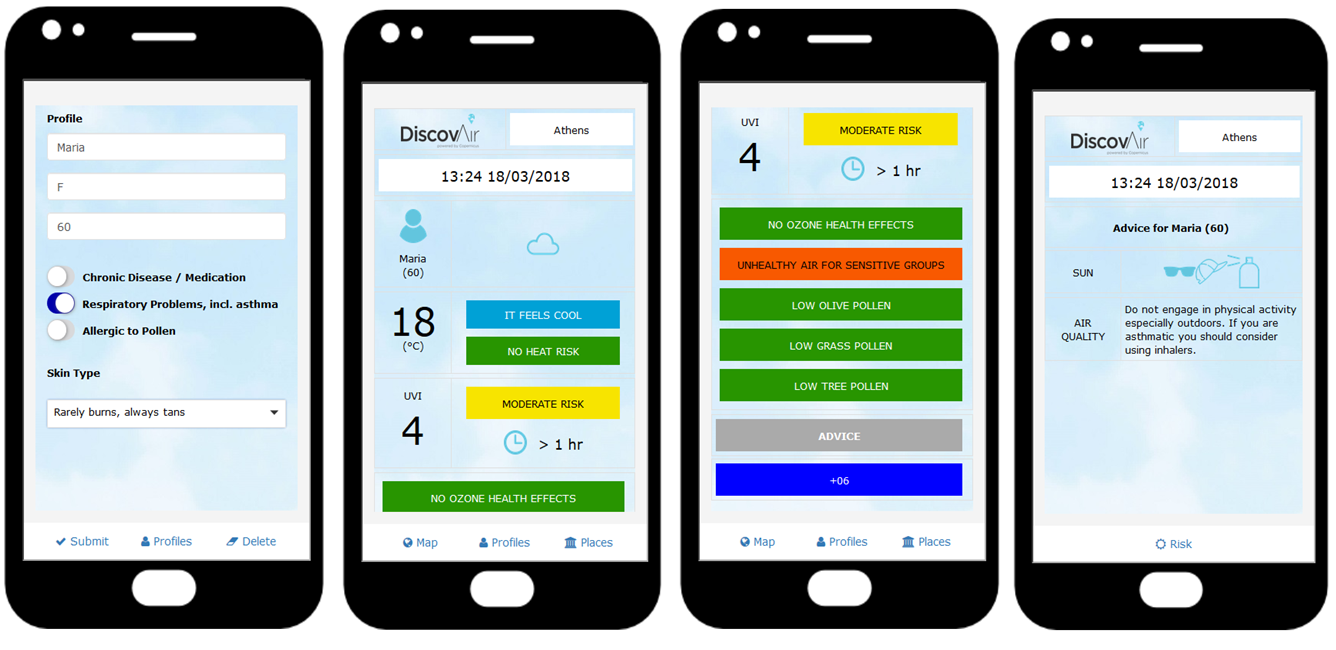
Editorial and science-communication work for DiscovAir, a personalised environmental-information service that used Copernicus Atmosphere Monitoring Service data to help people plan trips and outdoor activities in Greece and Cyprus.
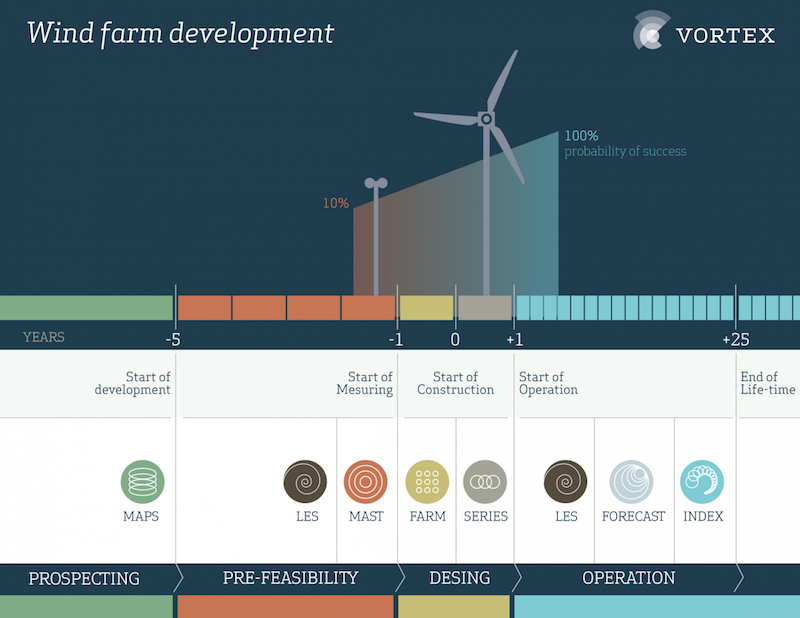
Editorial and science-communication work for an ECMWF and Copernicus Climate Change Service case study showing how Vortex combines high-resolution wind modelling with C3S climate data to support wind-farm planning, development and risk assessment.
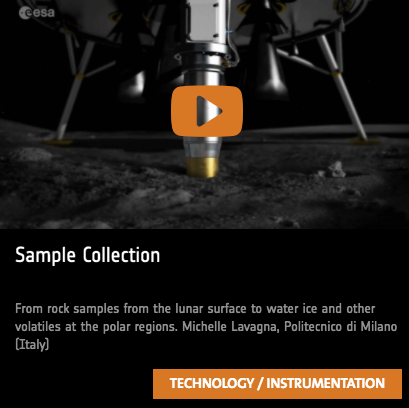
Editorial development and content-promotion work for ESA’s Lunar Exploration Interactive Documentary, an award-winning web experience that makes lunar science, technology and future missions accessible through expert video, articles, visual storytelling and social-media campaigns.
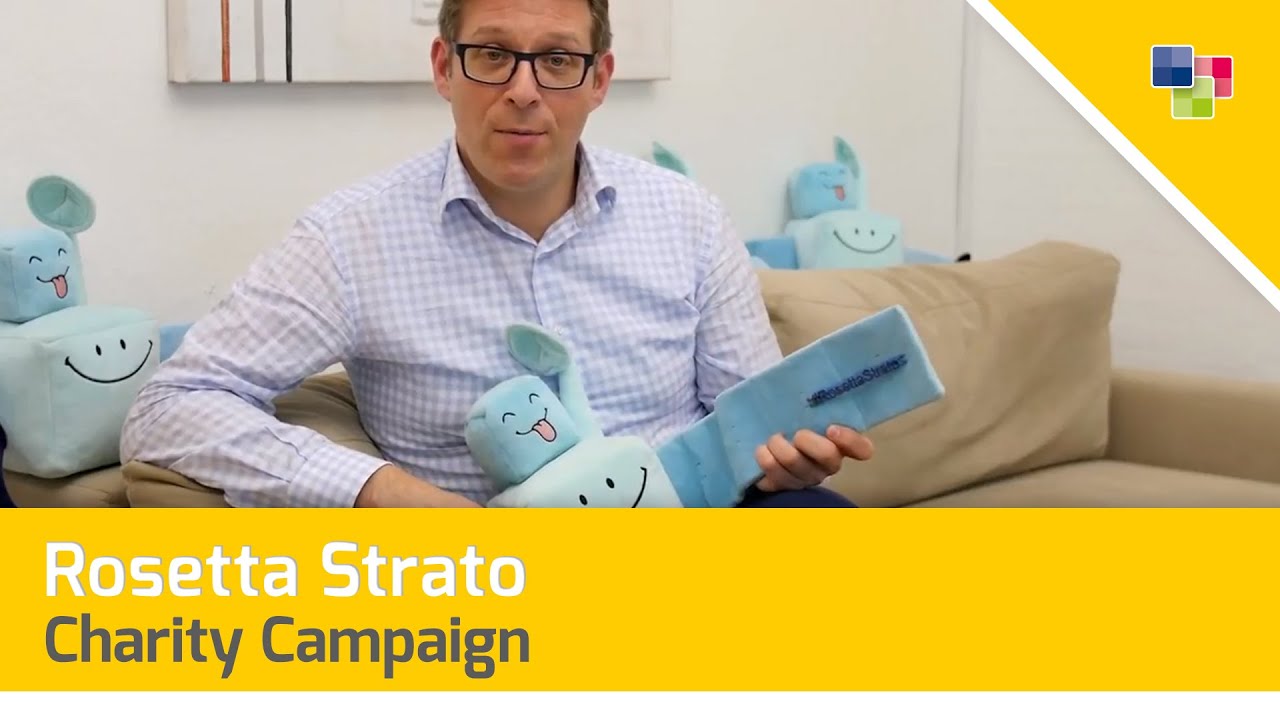
A digital and educational campaign inspired by ESA's Rosetta mission and the Philae lander, combining design, storytelling and public engagement to communicate the mission and support a charity campaign.
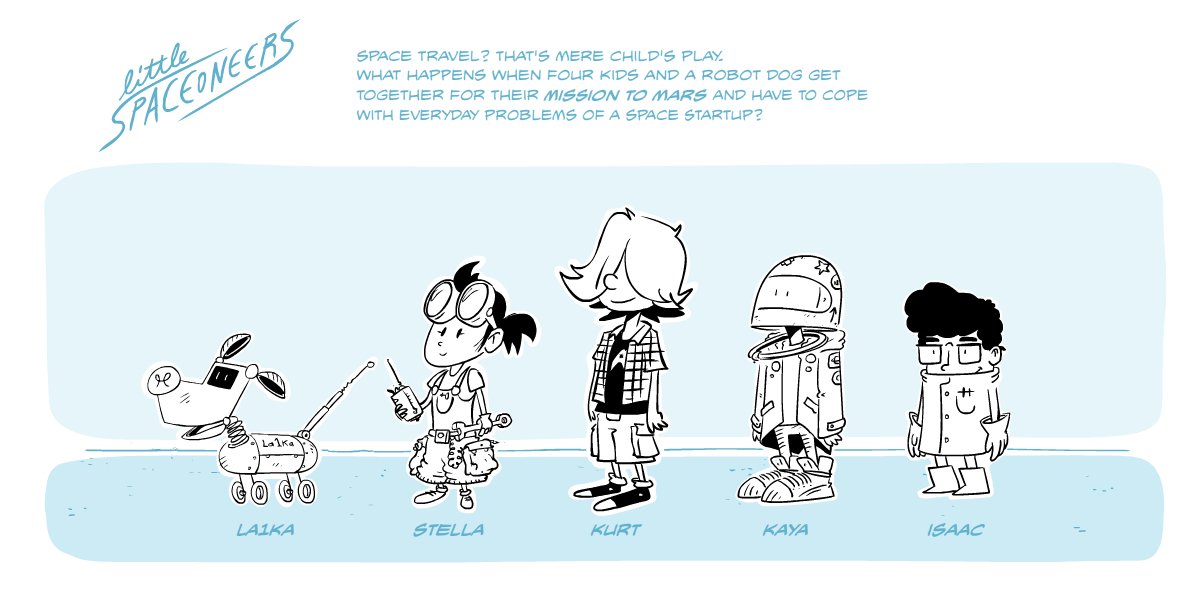
A comic project from the Spaceoneers platform that introduces young readers to space and the people who explore it.
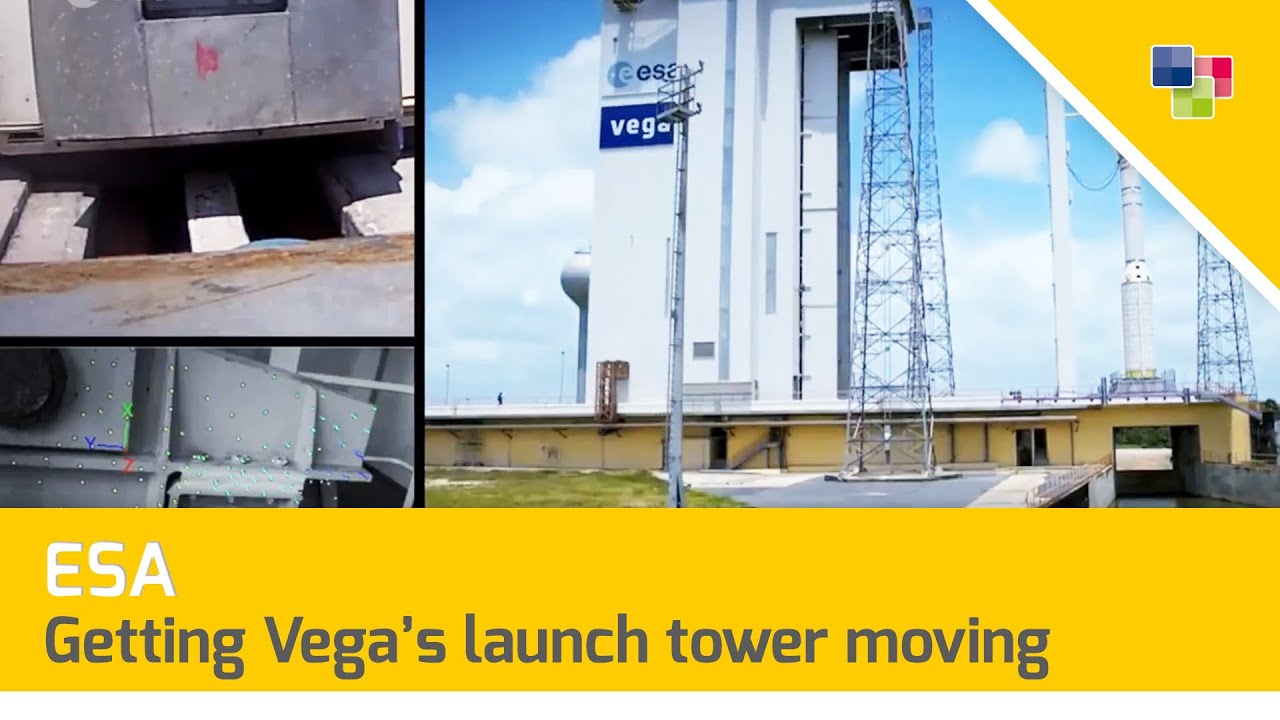
Script development for an ESA documentary explaining the engineering challenge of moving Vega's mobile launch tower at Europe’s Spaceport. The film explores the materials science, structural engineering and operational requirements behind moving the 1,000-tonne service structure away from the rocket before launch.
A film made for EUMETSAT showing how satellite data supports food security in Africa.
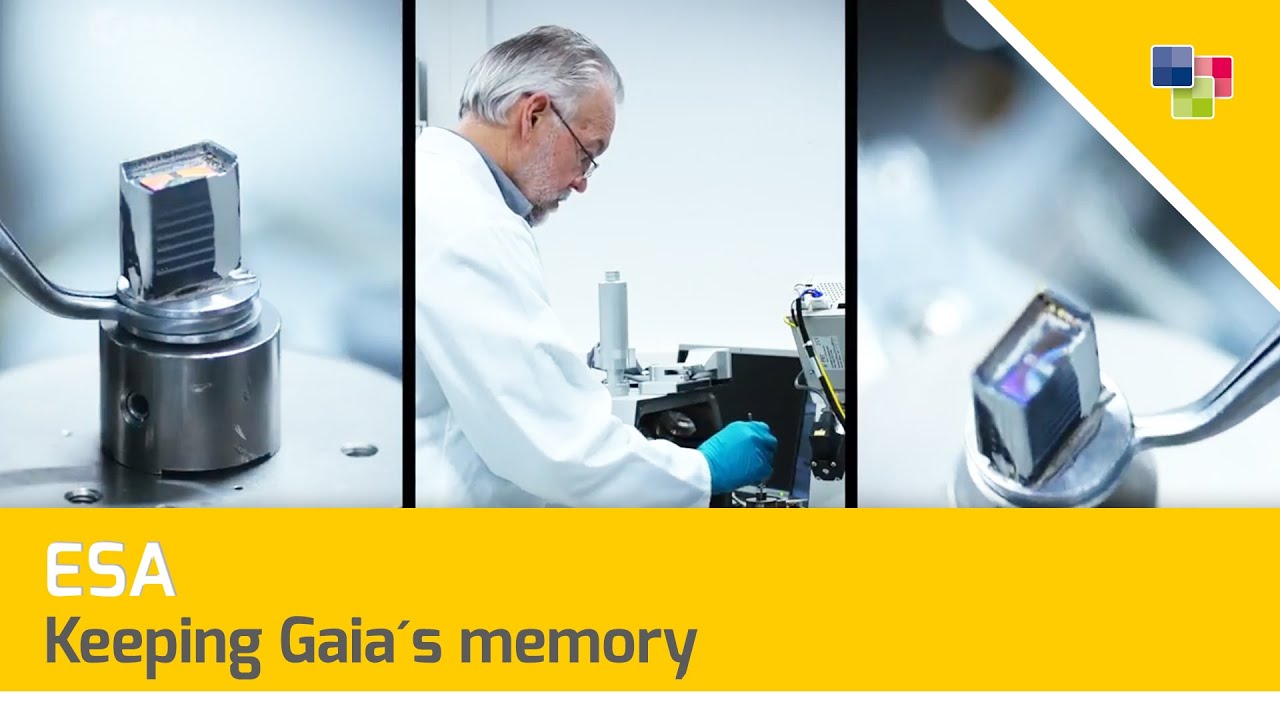
Script development for an ESA documentary about diagnosing a failed onboard memory module during pre-flight testing of the Gaia spacecraft, using non-destructive 3D X-ray tomography to determine the cause of the fault.
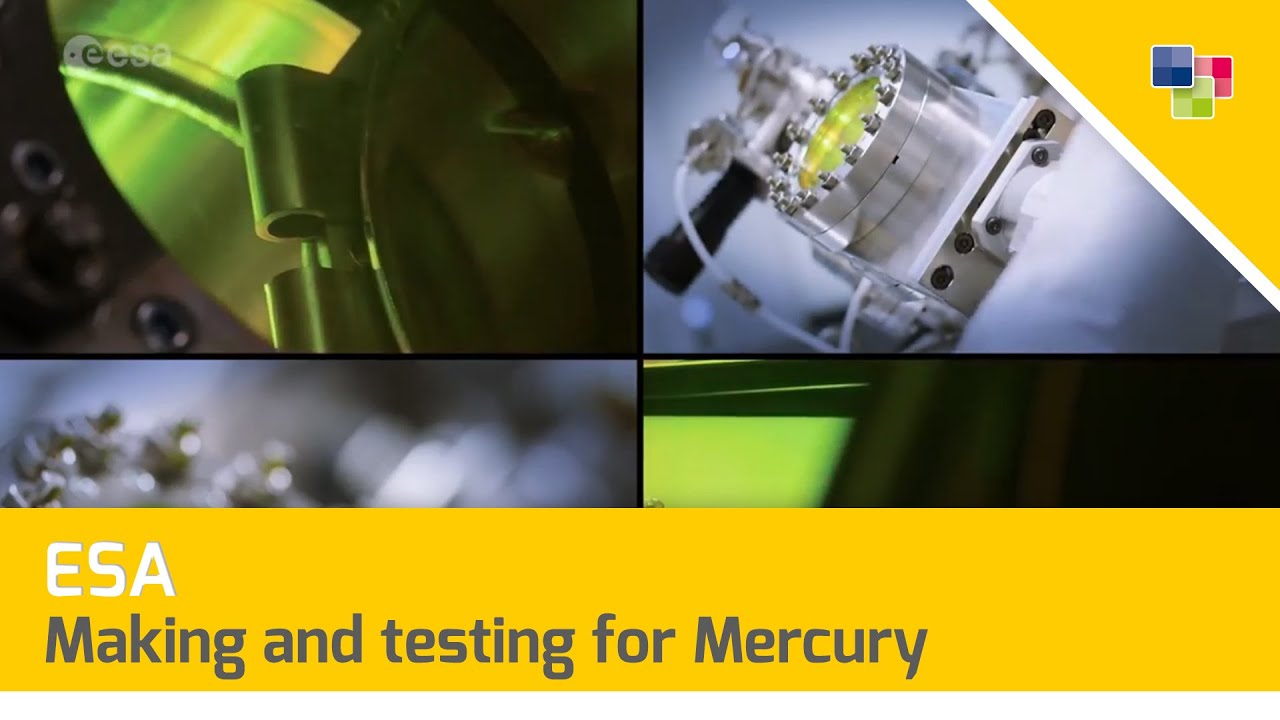
A short ESA film about the materials and component testing that prepares the BepiColombo spacecraft for the harsh conditions around Mercury, part of ESA's Material Labs series.
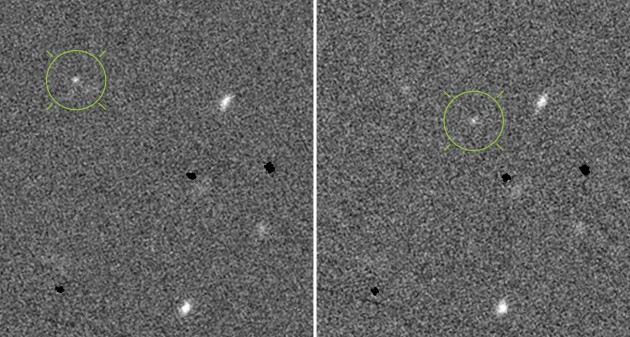
A volunteer team's participation in an International Astronomical Search Collaboration (IASC) asteroid campaign using Pan-STARRS survey data.
Animations produced for ESA to help explain the Rosetta mission and the Philae lander's arrival at comet 67P.
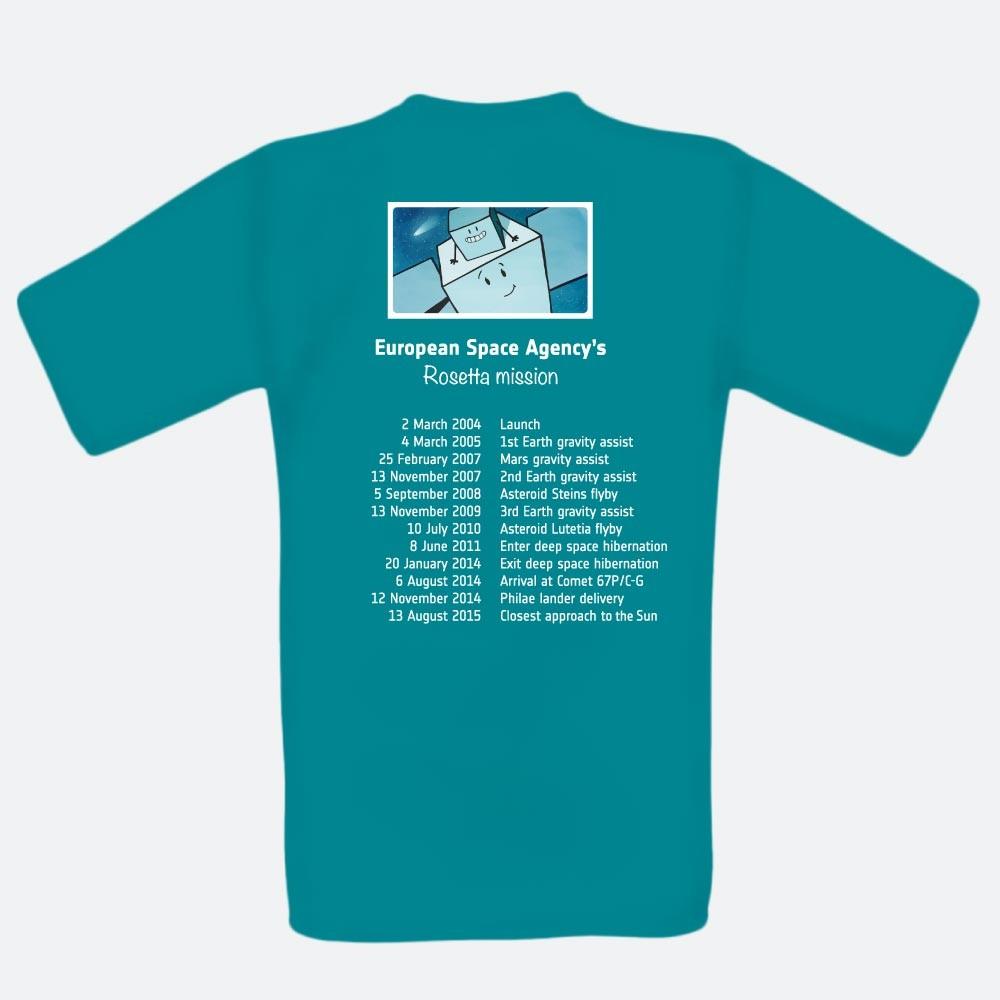
Website and order-management support for the Rosetta Shop, an online merchandise initiative connected to ESA’s Rosetta and Philae comet mission. The work combined e-commerce administration, customer-order coordination and day-to-day website management during a period of high public interest in the mission.
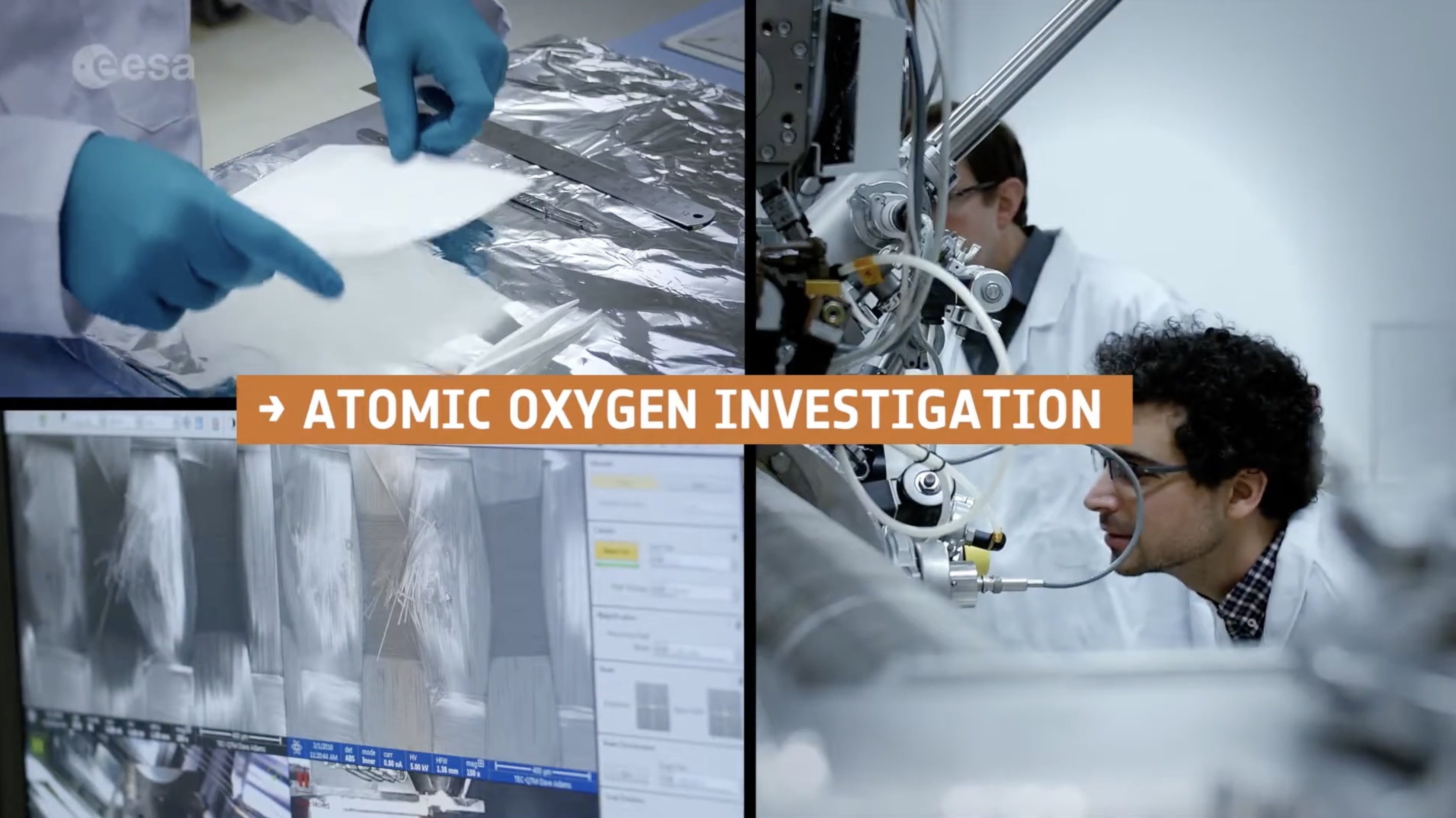
Script development for an ESA documentary exploring how engineers tested protective spacecraft materials for the Aeolus wind-mapping mission against highly reactive atomic oxygen in low Earth orbit.
A series of interviews with people working in and around the space sector, published through the Spaceoneers platform.
Contribution to UKSEDS (UK Students for the Exploration and Development of Space) during its move to registered-charity status, alongside trustee and officer roles.
An education example from the Bloodhound SSC programme, documented as a case study of how engineering stories can be used to engage students.
Education content connected to the desert test site of the Bloodhound SSC land-speed-record project.
Education and outreach work using K'nex building models, connected to the Bloodhound SSC land-speed-record project.
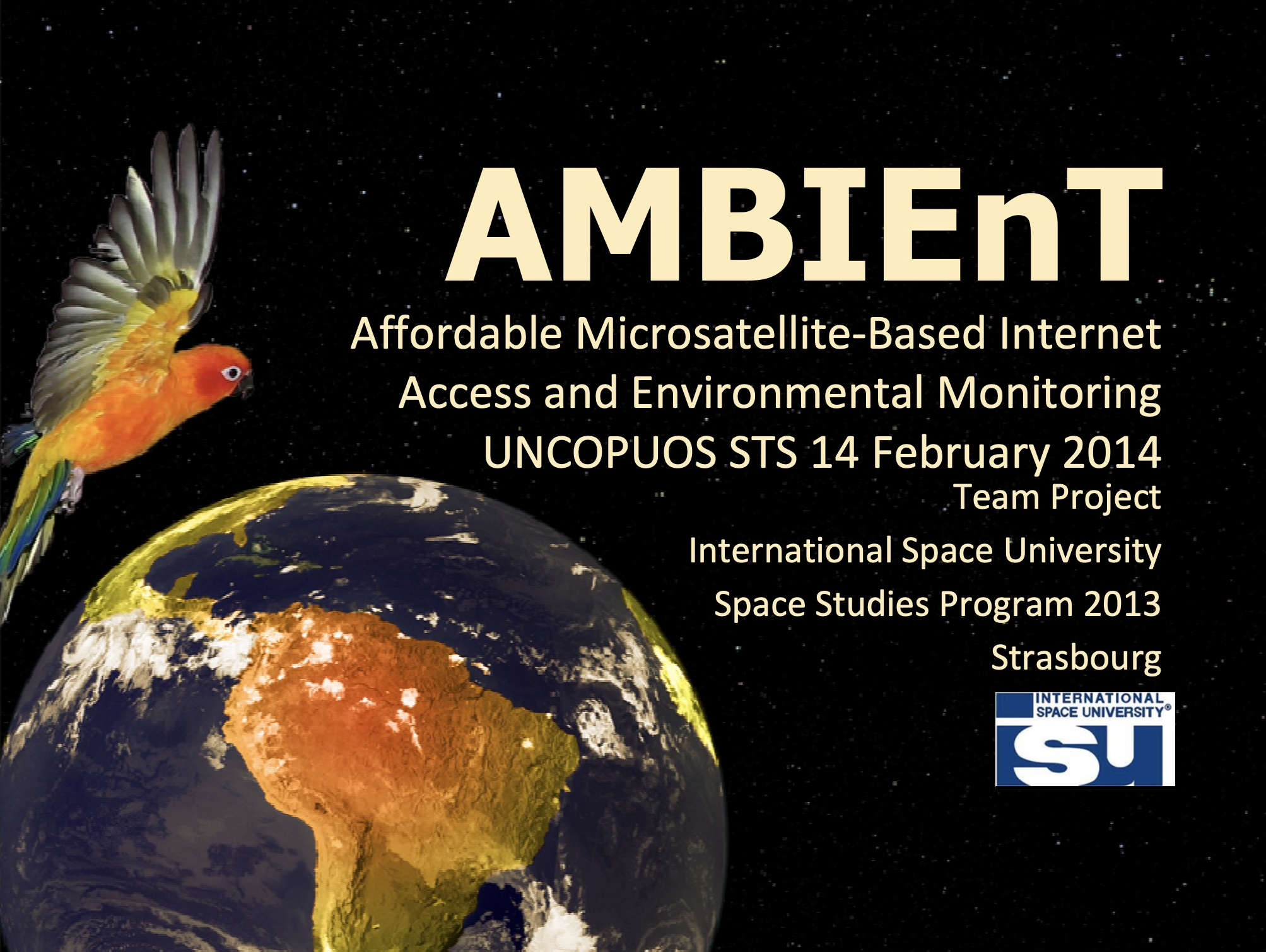
AMBIEnT was an International Space University team project designing a low-cost microsatellite constellation to bring internet access, tele-education, telemedicine and community environmental monitoring to the unconnected Brazilian Amazon, with the potential to expand to other remote regions.
Work for the ESA/Hubble public-outreach team, supporting communication of Hubble Space Telescope images and science to the public.
A volunteer asteroid-search campaign run through the Space Generation Advisory Council (SGAC), in which participants searched professional survey images for previously unreported moving objects.
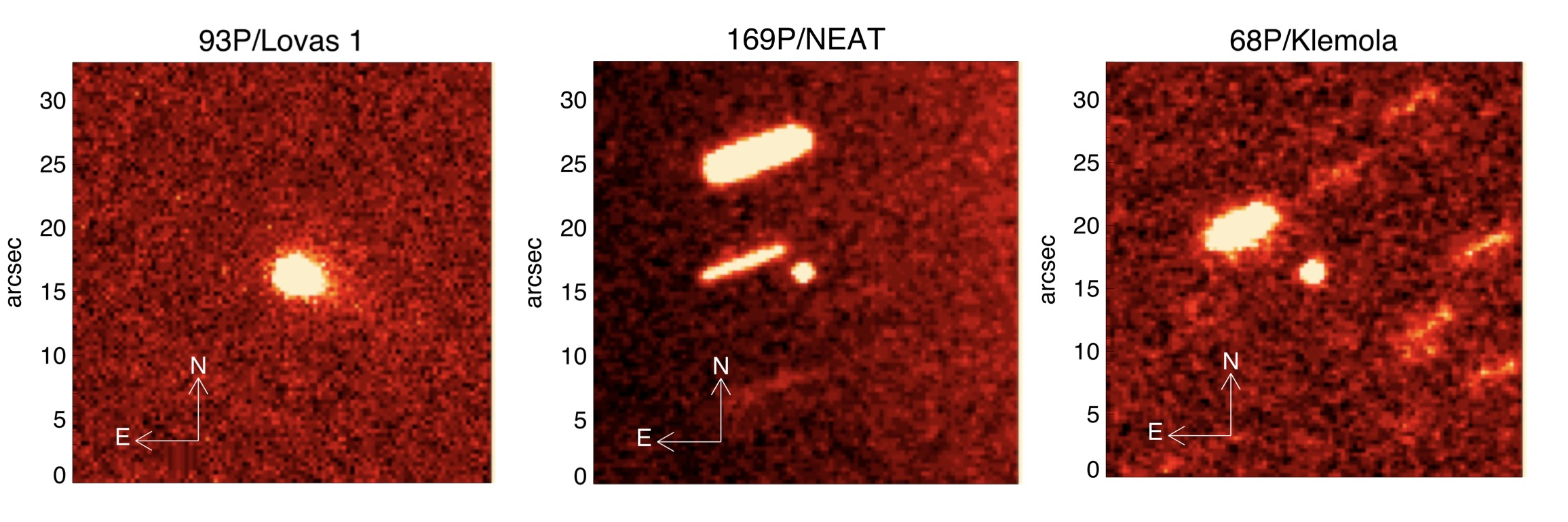
Collaborative observational programme investigating the physical and surface properties of Jupiter-family comet nuclei through thermal-infrared observations from the Spitzer Space Telescope and complementary ground-based visible-light measurements.
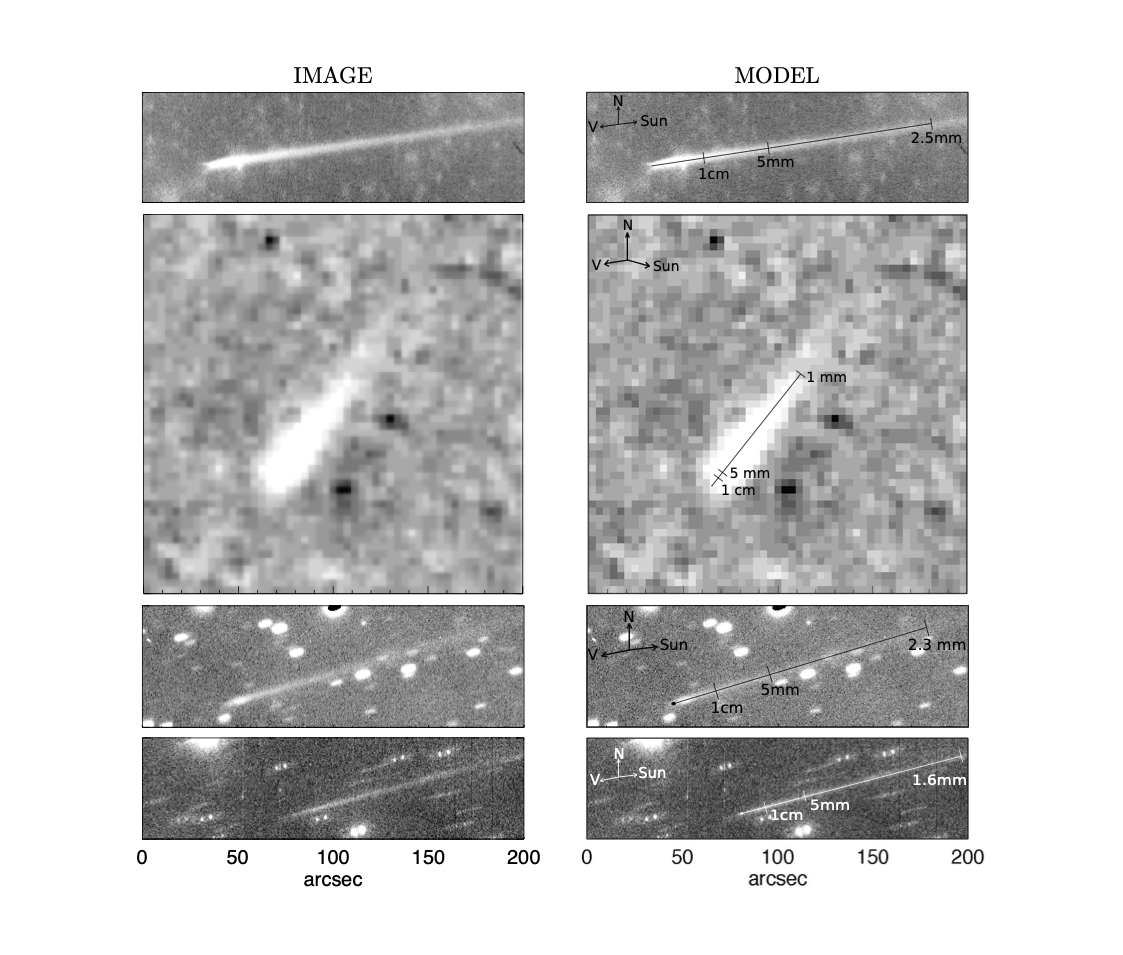
Collaborative analysis of ESA Rosetta/OSIRIS observations and ground-based imaging that established P/2010 A2's comet-like dust trail as debris from a single asteroid collision in the main belt, rather than sustained cometary activity.

A final-year MPhys directed reading project at the University of Leicester reviewing the leading theories for the prompt emission of gamma-ray bursts (GRBs) and assessing how well they stand up against observational evidence. The work culminated in a literature portfolio, a short lecture course outline, a 40-minute lecture and a set of problems for students.
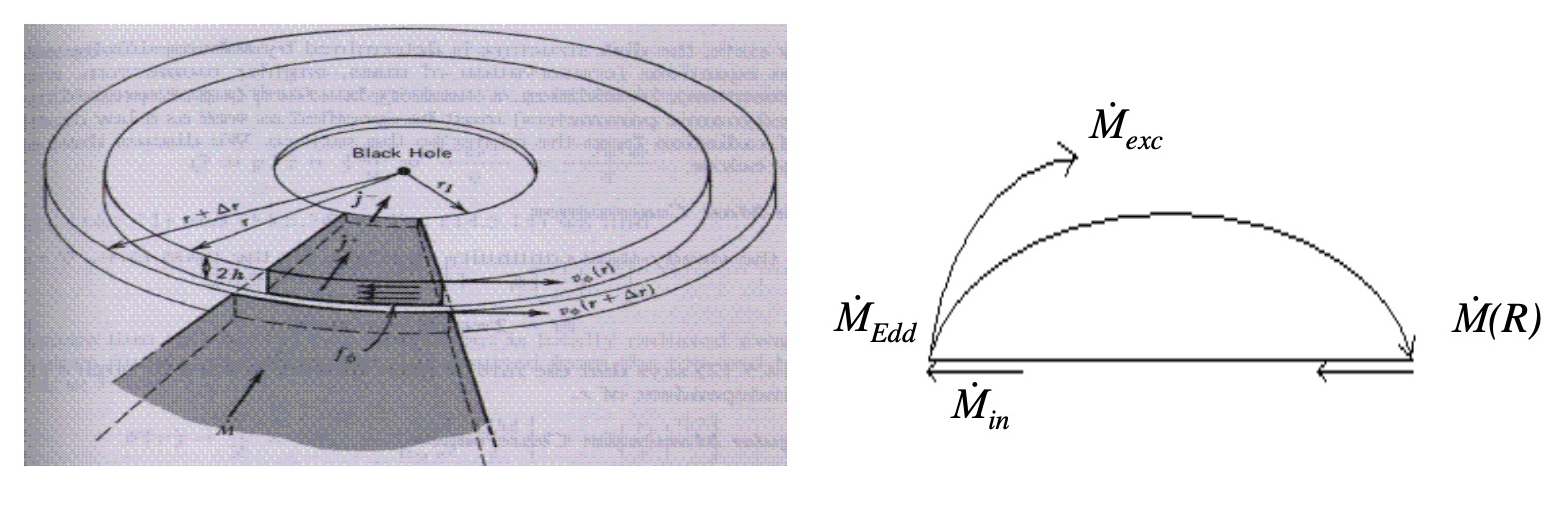
Numerical investigation of time-dependent accretion-disc evolution with mass feedback and outflows. The project developed and validated a Fortran model based on Shakura-Sunyaev disc solutions and wind-infall formulations to examine disc dynamics, angular-momentum transport and wind energy deposition.
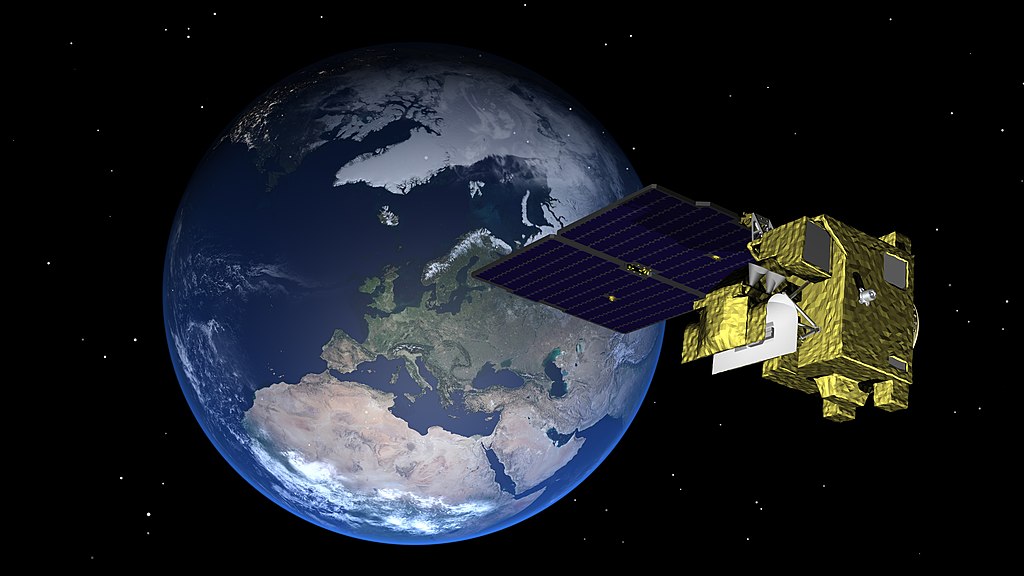
Comprehensive analysis of calibration data from the Geostationary Earth Radiation Budget (GERB) Focal Plane Assembly (FPA) using IDL to derive relative spectral response curves.
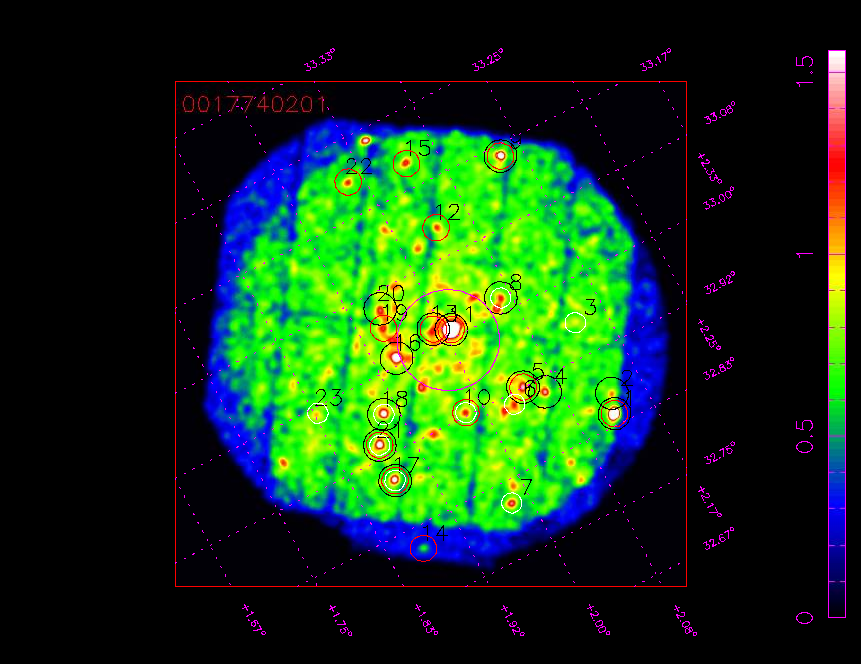
Undergraduate research project analysing XMM-Newton observations of two Galactic Ridge fields to investigate intermediate-luminosity X-ray sources, compare spectral behaviour across energy bands, and identify candidate variable or transient sources.

Undergraduate computational-astrophysics project developing a C++ framework for simulating the Newtonian gravitational N-body problem. The project implemented data structures, pairwise force calculations, softened gravitational potentials, leapfrog time integration, diagnostic calculations and initial-condition generation.
Undergraduate research using Far Ultraviolet Spectroscopic Explorer spectra to distinguish photospheric and interstellar absorption lines in hydrogen-deficient white dwarfs, helping constrain possible identifications for previously unidentified far-ultraviolet features.
Telescope Coordinator for the University of Leicester Astronomy Society (Astrosoc), looking after the society's telescopes and observing sessions.

A University of Leicester student CubeSat mission designed to investigate the near-Earth dust environment using an active nanometeoroid detector.