Queen Elizabeth Diamond Jubilee Wood (QEDJW) volunteering work
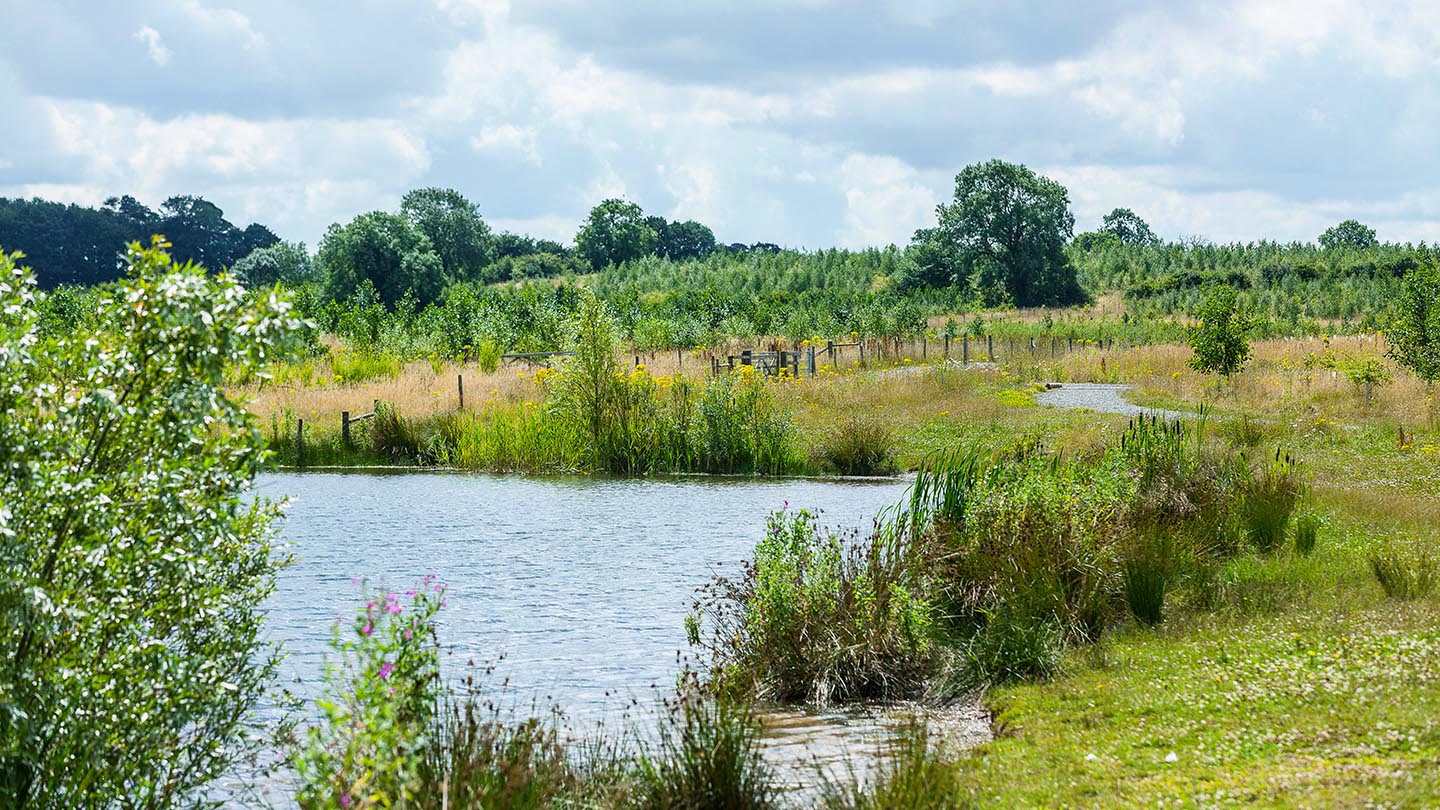
The Queen Elizabeth Diamond Jubilee Wood (QEDJW) lies in the National Forest in north-west Leicestershire, 24.1km (15 miles) from Leicester, 6.4km (4 miles) from Ashby-de-la-Zouch, 11.2km (7 miles) from Coalville, and close to the village of Normanton le Heath.
Overview
The Queen Elizabeth Diamond Jubilee Wood (QEDJW) is a large, young woodland and wetland site in the National Forest, in north-west Leicestershire, close to the village of Normanton le Heath. It was planted to mark the Queen’s Diamond Jubilee in 2012 and is the flagship site of the Woodland Trust’s Jubilee Woods project.
Since July 2024 I have volunteered here with the Woodland Trust, supporting the practical work of caring for the wood and the experience of the people and wildlife that use it.
The wood at a glance
- Location: Normanton le Heath, in the National Forest, north-west Leicestershire (grid reference SK387122).
- Distance: about 24.1 km (15 miles) from Leicester, 6.4 km (4 miles) from Ashby-de-la-Zouch and 11.2 km (7 miles) from Coalville.
- Size: 116.38 hectares (287.57 acres).
- Managed by: the Woodland Trust.
- Features: on-site parking, public access, grassland, a lake, a bird hide, a pond-dipping platform and a large earth artwork.
Landscape and habitats
QEDJW is more than a plantation. The site combines several habitats that support one another:
- New native woodland: around 300,000 native broadleaf trees were planted between 2012 and 2015, including oak, field maple, silver birch, beech and hornbeam. The wood is now maturing into a beautiful young woodland.
- Ancient woodland areas: at the far end of the site, where bluebells and wood anemones carpet the ground in spring.
- Wetland and lake: home to vegetation such as bulrush and yellow iris, and an important draw for water birds.
- Open grassland: valuable for ground-nesting birds, butterflies and hares.
This mix of semi-natural ancient woodland, new planting and wetland makes the site a good example of woodland creation working at landscape scale alongside the wider National Forest.
Wildlife
The wood is especially rewarding for birdwatchers:
- Open ground: skylarks and other ground-nesting birds.
- The lake: mute swans, little grebes, tufted ducks, terns and mallards.
- Raptors: buzzards and, rarely, the hen harrier.
- At night: tawny and barn owls hunting over the grassland.
In spring and summer the site is also good for butterflies, including the striking marbled white. Deer and brown hares can be seen, and typical woodland residents such as foxes, badgers, stoats and weasels share the site with woodpeckers, bullfinches and tits.
Art in the landscape
A striking feature of the wood is Now & Then, an earth artwork by artist Rosie Leventon. It takes the form of a giant spiral descending into the ground, and visitors can walk down the corkscrew. Oak and wild service trees have been planted on the structure, so that over time it will become a shady, private space within the wood. Along with the willow sculpture at the bird hide, the artwork makes the site distinctive and popular with families.
Visiting and access
- Parking: a signed car park on Heather Lane with space for 53 cars. It is locked overnight, opening at 8am and closing at 8pm from April to October and 5pm from November to March.
- Paths: three waymarked, surfaced circular trails run from the car park to the lake. The main loop is suitable for wheelchairs and pushchairs. A longer white route of about 3 km links the 61 Diamond Jubilee Groves, passes the lake and continues to the ancient woodland.
- Gates: pedestrian gates are an all-abilities design with a RADAR key padlock; others are standard kissing gates.
- Terrain: a number of long but gentle slopes on first entering the wood.
- Access advice: use the Heather Lane entrance rather than School Lane in Normanton le Heath, which is narrow.
- Public transport: there are no buses to Normanton le Heath itself, though services run from Leicester to Coalville and from Coalville to Ravenstone. The nearest railway stations are Burton, Tamworth and Loughborough, each around 24 to 26 km away.
- Facilities: there are no toilets on site; the nearest are in Coalville and Ashby.
Opening hours, access arrangements and facilities can change, so check the Woodland Trust website before visiting.
Things to do
- Walking: follow the trails to discover the artwork, groves, lake and ancient woodland.
- Birdwatching: the bird hide, funded by the Arts Council, sits just south of the lake and includes a willow sculpture.
- Pond-dipping: a purpose-built platform on the western edge of the lake lets families catch and release minibeasts.
- Dogs: welcome, following the Woodland Trust’s guidance for walking dogs in its woods.
- Dedications: trees, benches or areas of woodland can be dedicated at the site.
History
Archaeological finds on the site stretch back to the Neolithic period. They include flint shards and medieval pottery, and a Bronze Age palstave (axe) in mint condition found by a farm labourer in the 1970s. The land later became part of the Jubilee Woods project and the National Forest’s transformation of former mining and farmland into woodland, with nearby extension sites (QEDJW Extension and QEDJW Ext 2) adding to the wider woodland network.
My volunteering
Add a short description of what you do here, for example:
- Tasks undertaken (path and signage checks, litter picking, tree-care, habitat work, visitor welcome, species recording).
- Frequency and the team you work with.
- Skills gained or used, and any training completed with the Woodland Trust.
- Any events or community days you have supported.
Why it matters
Young woodland creation sites depend on continued care as trees establish and habitats mature. Volunteers help to keep paths safe, monitor wildlife and support a welcoming experience, so that a site created for a royal jubilee remains a lasting public benefit: a place for nature recovery, climate resilience, learning and wellbeing within easy reach of Leicester.
Related links
- Queen Elizabeth Diamond Jubilee Wood on the Woodland Trust website
- Woodland Trust volunteering
- QEDJW walking map (PDF)
- QEDJW public management plan (PDF)
Keywords
Woodland Trust; Queen Elizabeth Diamond Jubilee Wood; QEDJW; Jubilee Woods; National Forest; Leicestershire; Normanton le Heath; volunteering; woodland creation; ancient woodland; wetland; birdwatching; nature recovery; community.